Rites of Passage mark important moments in our lives- births, marriages, graduations and of course death- we have only recently, in modern Western times lost the tradition of marking one of life’s most critical transitions, that of maturing from a child to adult.
Every child used to look forward to their preparation by their elders, followed by a coming-of-age ceremony.
Rites of passage are a way of guiding and celebrating young people, reconnecting families in changing relationships and publicly acknowledging that the adolescent is no longer a child and is now a young adult requiring their community to support them as such.
Without formally acknowledging the moment of change in an adolescents life from child to young adult, they will self and group initiate. Informed by a still maturing neurobiology, media, peers and vulnerable self-esteem rather than a community that knows them, leaves our young people vulnerable to proving their adulthood through feats, dares, and mask-wearing, trying to appear like adults through external presentation, unhealthy acts of belonging or unsafe acts of initiation. We are then left with a population who are unable to step from child to adult, who do not match freedoms with responsibility & who are left operating from a place of child psychology and never stepping forward with formal ritual into adult psychology.
Formally stepping from child to young adult strengthens a young person’s psychological, community and spiritual development, consolidating social ties, establishing roles and providing a sense of purpose and place.
Rites of Passage offer:
Separation; Challenge; Celebration; Reflection; Connection; Change; Return to Community.
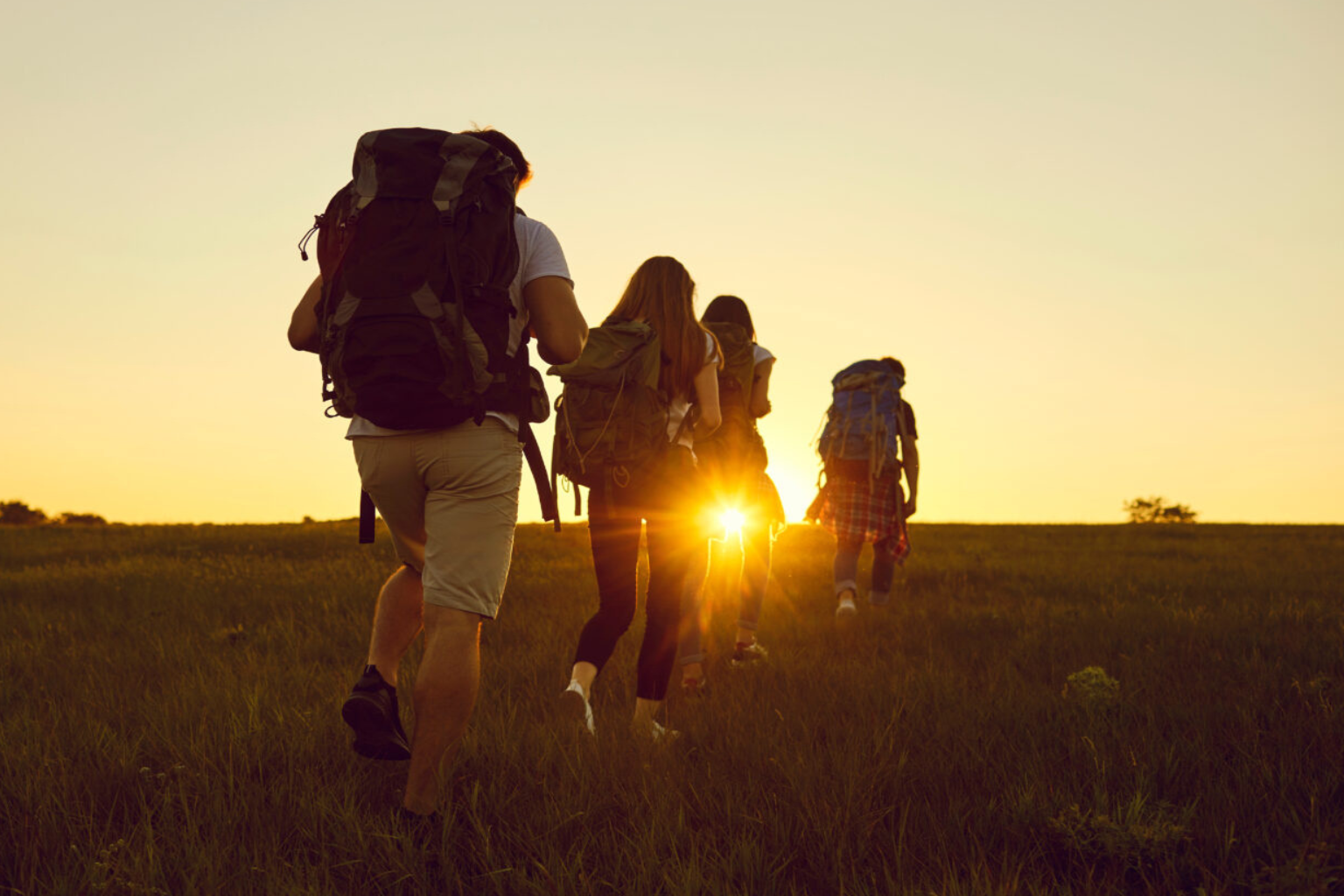
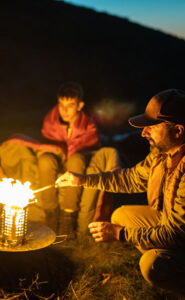
Trek Learning Centre is offering our Boys to Men & Girls to Women camps in April 2025- a 5-day camp for young people and their parent or significant adult.
Trek’s rites of passage camps mark the moment a young person leaves childhood to begin the journey into adulthood finding purpose & meaning in life, becoming more self-confident, balancing freedoms with responsibility, becoming an active and responsible member of their community, and ultimately supporting positive mental health and self-efficacy.






 .
. .
. .
. .
.